Source 316l optical dissolved oxygen sensor for water treatment
Find 30 verified listings for the 316l optical dissolved oxygen sensor suitable for industrial monitoring, environmental testing, and aquaculture. Buyers can compare specifications like measuring range, accuracy, and output types from suppliers in China.
Key considerations
Products List


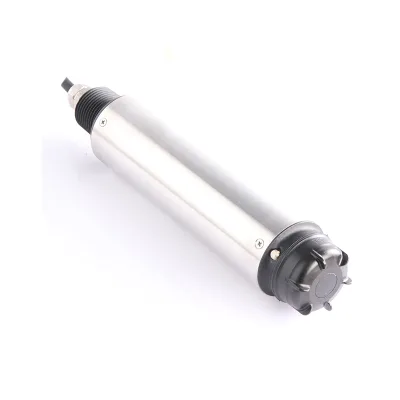


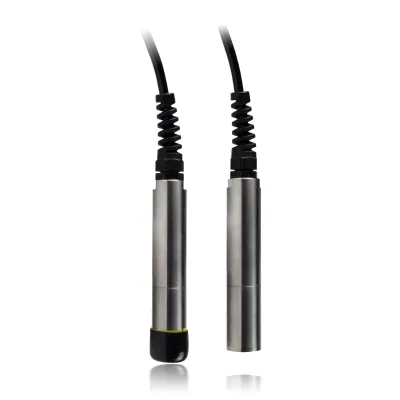


Comprehensive Sourcing Guide
Strategic Sourcing Guide for 316L Optical Dissolved Oxygen Sensors
Understanding the Core Technology and Material Requirements
When sourcing a 316L optical dissolved oxygen sensor, buyers must first distinguish between the two primary measurement technologies currently available in the industrial market: polarographic and fluorescence-based methods. The supplied product data indicates that while some units operate on the Polarography theory, others utilize the Fluorescence Method. This distinction is critical because the choice of technology directly influences the sensor's maintenance requirements, response time, and long-term stability. The specific keyword "316L" refers to the grade of stainless steel used for the electrode shell or housing, a material explicitly noted in the provided facts as an option alongside PVC. 316L stainless steel is preferred in corrosive environments, such as wastewater treatment or marine applications, due to its superior resistance to chlorides and acids compared to standard 304 steel.
The optical variant, often associated with the fluorescence method, eliminates the need for electrolyte refills and membrane changes required by traditional polarographic sensors. However, buyers must verify if the specific optical unit they are considering includes a Steel Grit Metal Membrane or if it utilizes a specialized optical cap. The provided facts list "Steel Grit Metal Membrane" as a specific attribute, which suggests a hybrid or ruggedized design. In contrast, pure optical sensors typically rely on a fluorescent dye layer. The measuring range for these devices varies significantly in the current market data, with observed ranges including 0-20mg/L and 0-100ug/L. A procurement strategy must align the sensor's range with the specific application; for instance, wastewater monitoring often requires the broader 0-20mg/L range, while pharmaceutical processes might demand the higher sensitivity of the 0-100ug/L range.
Technical Specifications and Performance Metrics
Evaluating the technical specifications is the next step in ensuring the sensor meets operational demands. The supplied data highlights a Measuring Temperature range of 0-130 degrees, though other entries specify a Working Temperature of -20 to 60 degrees Celsius. This discrepancy underscores the importance of verifying the specific operating envelope of the chosen model. For applications involving high-temperature sterilization or hot water lines, the 0-130 degree capability is essential. Conversely, for ambient temperature monitoring, the -20 to 60 range is standard.
Accuracy is another pivotal specification. The data indicates an Accuracy of 0.01mg/L and a Measurement Accuracy of ±0.3mg/L for certain models. Buyers should understand that these figures may represent different testing conditions or sensor generations. The Zero Oxygen limit is listed as <0.1mg/L, which is a critical performance metric for applications requiring precise detection of oxygen depletion. Furthermore, the Resolution is noted as 0.01%, ensuring that the sensor can detect minute fluctuations in dissolved oxygen levels.
The output signal is another key technical factor. The facts confirm the availability of Analog Output capabilities, specifically 4~20mA, which is the industry standard for integration with PLCs and DCS systems. Some units also feature Switch Output with 2 Relays, allowing for direct alarm triggering without external logic. The power requirements are generally low, with a Power consumption of ≤10W and a Power Supply of AC220V±10%. The display interface is typically an LCD, providing local readouts in % and Mg/L units. It is vital to confirm that the sensor's Installation type matches the site's requirements, as some models are designed for Input Type mounting.
Compliance, Certification, and Regulatory Standards
In the B2B procurement landscape, compliance is non-negotiable. The supplied product facts list several standards and certifications, including SGS, CE, and ISO9001. These are high-confidence indicators of quality management and safety compliance. Specifically, the CE marking suggests conformity with European health, safety, and environmental protection standards, while ISO9001 indicates a robust quality management system. However, buyers must be cautious not to assume that every listed product possesses every certification. The data shows LCD listed under "prod_standard" in one instance, which appears to be a data entry anomaly; therefore, verification of the actual certification documents is mandatory.
The Protection Class is listed as IP68, which is a significant advantage for submerged applications. This rating ensures the sensor is dust-tight and can withstand prolonged immersion in water. When sourcing, buyers should request the specific test reports that validate the IP68 rating, as this claim must be backed by independent testing. Additionally, the Certification field explicitly mentions CE, reinforcing the need to ensure the specific batch or model being purchased carries valid documentation.
It is also important to note the origin of the products. The facts indicate origins in Shanghai, China, China(Mainland), and Shenzhen. While these are major manufacturing hubs, the specific location can impact lead times and logistics. Buyers should verify the prod_packing details, which are listed as Carton Box, CTN, or Cartonbox. Proper packaging is essential to prevent damage during transit, especially for sensitive optical sensors.
Cost Drivers and Pricing Structure Analysis
The observed listed price range for these sensors spans from 1 to 10000 USD, a wide variance that reflects differences in technology, material quality, and brand positioning. The primary cost drivers include the choice of material for the electrode shell (316L Stainless Steel vs. PVC), the measurement technology (Fluorescence vs. Polarography), and the complexity of the output interface. Sensors with 316L housing generally command a higher price due to the material cost and the manufacturing processes required to ensure corrosion resistance.
The MOQ (Minimum Order Quantity) is observed to be between 1 and 5, indicating a flexible procurement environment suitable for both pilot projects and bulk industrial deployments. However, the specific MOQ for a custom order or a specific model like DOG-208FA or DOG-3082YA may vary. Buyers should be aware that while the base price might be low, the total cost of ownership includes maintenance, calibration, and potential replacement of consumables like membranes. Optical sensors often have a higher upfront cost but lower long-term maintenance costs compared to polarographic sensors, which require regular electrolyte and membrane replacement.
Typical Applications and Usage Scenarios
The versatility of the 316L optical dissolved oxygen sensor is evident in its listed Usage categories, which include Liquid Level Sensor, Thermal Sensor, and general Industrial applications. This broad applicability suggests the sensor can be integrated into diverse systems, from simple water treatment plants to complex chemical processing facilities. The Theory of operation, whether Polarography or Fluorescence Method, dictates the suitability for specific environments. Fluorescence-based sensors are particularly advantageous in applications where fouling is a concern, as they do not consume oxygen during measurement.
The sensor's ability to measure pH (0-14 pH) and Conductivity (0-2000us/Cm) alongside dissolved oxygen suggests it may be part of a multi-parameter probe system. This integration capability reduces the need for multiple sensors, simplifying installation and maintenance. The Turbidity Sensor range of 0-1000ntu further expands the potential use cases to include water quality monitoring where clarity is a factor. Buyers should evaluate whether the sensor's Usage aligns with their specific process requirements, such as monitoring aeration efficiency in bioreactors or ensuring oxygen levels in drinking water distribution.
Supplier Evaluation and Quality Control Protocols
When evaluating suppliers, buyers should prioritize those who can provide clear documentation of the prod_standard and prod_model numbers. The data lists specific models such as DOG-208FA, Dog-209fa, DOG-3082YA, DOG-208F, and SMT04. These model numbers serve as unique identifiers for technical specifications and should be used to cross-reference with the supplier's catalog. A reliable supplier will be able to provide detailed datasheets that confirm the Measuring Range, Accuracy, and Working Temperature for each specific model.
Quality control should focus on verifying the Material of the electrode shell. The Electrode Shell Material is listed as PVC or 316L Stainless Steel, and buyers must confirm which material is used in the specific unit they are purchasing. Visual inspection and material testing can verify the presence of 316L steel, which is crucial for longevity in harsh environments. Additionally, the Standard of SGS and CE should be validated through certificates of conformity. Buyers should also check the prod_packing to ensure the sensor is shipped in a Carton Box or CTN that provides adequate protection against shock and moisture.
Long-Term Procurement and Maintenance Considerations
Long-term procurement success depends on understanding the maintenance requirements and lifecycle of the sensor. While optical sensors generally require less maintenance than polarographic ones, the Membrane type is a critical factor. The presence of a Steel Grit Metal Membrane in some models suggests a rugged design that may offer extended service life in abrasive environments. However, buyers should verify the replacement cycle for any consumable parts.
The Working Principle of Fluorescence Method implies that the sensor relies on a fluorescent dye that may degrade over time. Buyers should inquire about the expected lifespan of the optical cap and the availability of replacement parts. The Resolution of 0.01% and Accuracy of 0.01mg/L should be maintained through regular calibration. Suppliers should offer calibration services or clear guidelines for in-house calibration using standard solutions.
Finally, the Output type, specifically the Analog Sensor with 4~20mA, ensures compatibility with existing industrial control systems. Buyers should ensure that their control infrastructure can support the Switch Output with 2 Relays if alarm functionality is required. By carefully evaluating these long-term factors, buyers can ensure that their investment in 316L optical dissolved oxygen sensors delivers consistent performance and value over the product's lifespan.
Comparative Analysis of Key Product Attributes
To assist in the final selection process, the following table summarizes the key attributes observed in the supplied product data. This comparison helps buyers quickly identify the features that align with their specific procurement needs.
| Attribute | Observed Value / Range | Relevance to Procurement |
|---|---|---|
| Product Name | Dissolved Oxygen Sensor | Confirms core function |
| Material | Stainless Steel (316L option) | Critical for corrosion resistance |
| Electrode Shell | PVC or 316L Stainless Steel | Determines environmental suitability |
| Theory | Polarography or Fluorescence Method | Affects maintenance and accuracy |
| Measuring Range | 0-20mg/L, 0-100ug/L | Must match application sensitivity |
| Accuracy | 0.01mg/L, ±0.3mg/L | Defines measurement precision |
| Working Temp | -20 to 60°C, 0-130°C | Ensures operational compatibility |
| Protection Class | IP68 | Essential for submerged use |
| Output | 4~20mA Analog, 2 Relays | Compatibility with control systems |
| Certification | CE, ISO9001, SGS | Validates quality and safety |
| Origin | Shanghai, Shenzhen, China | Impacts logistics and lead time |
| MOQ | 1-5 | Flexibility for order sizing |
This structured approach ensures that buyers can make informed decisions based on verified facts rather than assumptions, leading to more successful procurement outcomes in the industrial sensor market.
FAQs
What material options exist for the electrode shell?
The electrode shell is available in PVC or 316L Stainless Steel. Buyers should select 316L for corrosive environments like wastewater treatment to ensure superior resistance against chlorides and acids compared to standard steel.
Which measurement theories are supported by these sensors?
The sensors operate on either Polarography or Fluorescence Method theories. Fluorescence-based optical sensors eliminate the need for electrolyte refills, while polarographic units may require membrane changes depending on the specific model selected.
How accurate are the dissolved oxygen measurements?
Accuracy varies by model, with some units offering 0.01mg/L and others providing ±0.3mg/L. The Zero Oxygen limit is typically less than 0.1mg/L, ensuring precise detection of oxygen depletion in critical applications.
Can the sensors be used in high-temperature environments?
Yes, some models support a measuring temperature range up to 130 degrees Celsius. However, standard working temperatures for other units are between -20 and 60 degrees Celsius, so verify the specific operating envelope before installation.
What output signals do the analog sensors provide?
The analog sensors provide a 4~20mA output signal compatible with standard PLC and DCS systems. Some units also include switch output with two relays for direct alarm triggering without requiring external logic controllers.
Which certifications validate the product quality standards?
Products are certified with CE, ISO9001, and SGS standards to ensure safety and quality management. Buyers must verify that specific batches carry valid documentation, as data entries may occasionally list unrelated attributes like LCD under standards.
What is the minimum order quantity for these sensors?
The minimum order quantity ranges from 1 to 5 units depending on the specific model and customization needs. This flexible MOQ supports both pilot projects and bulk industrial deployments without requiring large initial inventory commitments.